
Why Your On-Device AI Feature Fails at 3am When Nobody Is Looking
The AI model is fine. The protocol stack down it is not. The flaw of It Works in the Lab. All of the on-device AI capabilities are verified during shipments....
In the mobile industry, “Day 1” performance is easy to promote. But true engineering skill shows in “Day 180” performance. When a flagship device feels “laggy” after six months of...
UFS 4.0 in Automotive: Powering Next-Generation Vehicles In today’s rapidly evolving automotive landscape, vehicles are transforming into sophisticated, connected computing platforms. As manufacturers push the boundaries of safety, connectivity, and...
Universal Flash Storage (UFS) uses the MIPI Alliance’s MPHY physical layer specification to interconnect the UFS device with the host (SoC) or application processor. This is an embedded interface with...
UFS is becoming widely used storage device in many different applications smartphone, Tablets, Digital Cameras and Camcorders, Automotive, Augmented Reality and Virtual reality, wearable, augmented devices and hard disk drives....
What is UFS Protocol? What is its connection with 5G? The arrival of 5G is changing the way the smartphone is being used and leading the way to the next...
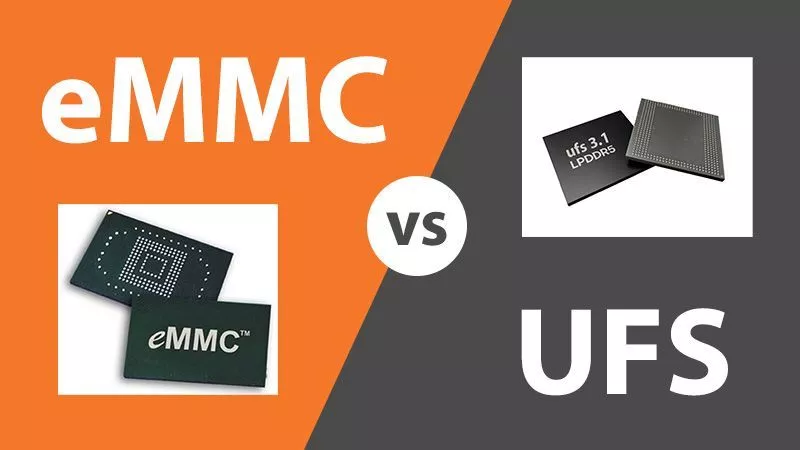
The Differences between eMMC and UFS are: What is eMMC Protocol? Embedded multimedia card or eMMC, is a NAND flash memory for mobile applications and a memory solution for consumer...
UFS stands for Universal Flash Storage. UFS is an advanced, high speed, low power, high-performance non-volatile interface designed for mobile systems such as smartphones and tablets UFS is an open...